Share Prime benefits and digital content at no additional cost.
Portfolio
Jesse Kulp
Selected work, and what I’ve learned.
- 2013–2014Critical Mass
- 2014–2016Amazon
- 2016–2018BMC
- 2018–2020Splunk
- 2020–2026Google
- 2026–PresentApple

Point of view
The next interface is not a prompt box. It is the operating surface for human-agent work.
On the record
“The original designer for Google AI Studio”
Human Interface designer at Apple focused on the shift from apps to agents. Previously at Google DeepMind, he led UX for Google AI Studio as its original sole 0-to-1 designer and helped shape the Gemini API developer platform.
AKA “The Agent Architect”
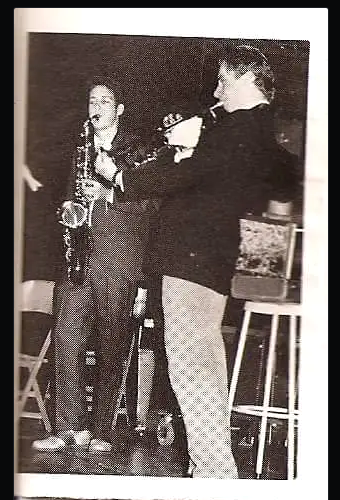
01.1 — Before
Product
Reporter
Teacher
Tinkerer
Designer
01.1A — About
Three jobs in one chair.
-
01
Full-stack design lead
I draw interaction, visual and systems — end-to-end workflows that hold brand and product to one line.
-
02
Strategic product partner
I set the northstar with PM and engineering leadership, find the real customer need, and point the roadmap at it.
-
03
Building design culture
I hire, train and mentor — a foundation other designers build on, scaled to meet demand.
01.3 — The throughline
Same job, different surfaces.
Make data in motion something an operator can see.
Try the models, then build.
Under wraps
Current work
Google AI Studio
Three doors to the same models
Gemini app
Consumers · ask it something.
Google AI Studio
Indie developers and builders · try the models, then build.
Vertex AI
Enterprise · ship it in production.
Try models → enter the ecosystem
The brief
Engagement before monetization
Builders → frontier models.
Business goal
- 01Increase adoption
- 02Showcase the models
- 03Feed the ecosystem
Design response
- 01Improve developer experience
- 02Build a platform, not a page
- 03Speak with one voice
02.2 — Starting point
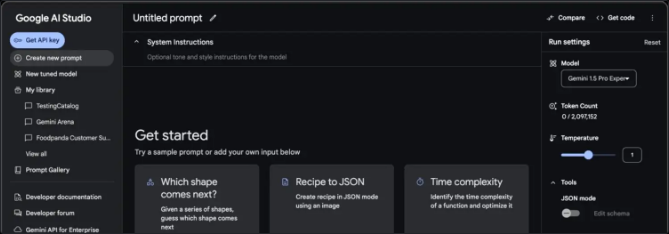
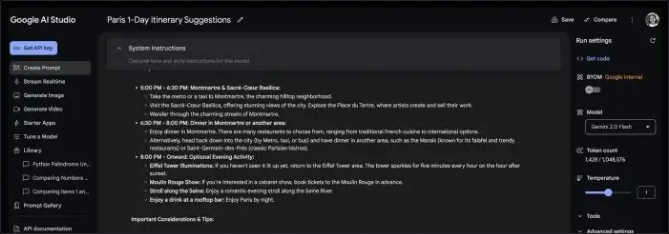
I inherited a maze
02.3 — How I knew
I asked. It was brutal.
“I’ve used many dev tools, and I’d say this whole Gemini/AI Studio is the bottom three developer experience I’ve ever had in my life. Possibly the worst.”
“It’s unheard of for a product to be so undiscoverable that I had to message the head of DevRel to even figure out how to start.”
“Different SDKs, different log-ins, different API keys, different feature sets — no one knows where to start.”
“Discoverability is a problem. Consolidation is a problem.”
“I expect the UI to be a definition of what’s possible. If features are missing, I don’t know they exist.”
“Zero idea how to get there.”
“It slipped our radar, which is crazy — this is exactly the space I’m in.”
Every complaint pointed at one problem.
Could not tell which surface was for them.
Could not find help when stuck.
Could not tell where to go next.
A sprawling ecosystem offered every choice and no way to choose between them.
I moved four orgs before I moved a pixel
- PMResearch settled the argument.
- ENGEngineering built to the IA I drew.
- LEADThe prototype closed the debate.
- MKTGOne story, product through marketing.
I built the argument instead of pitching it
It’s time to prompt.
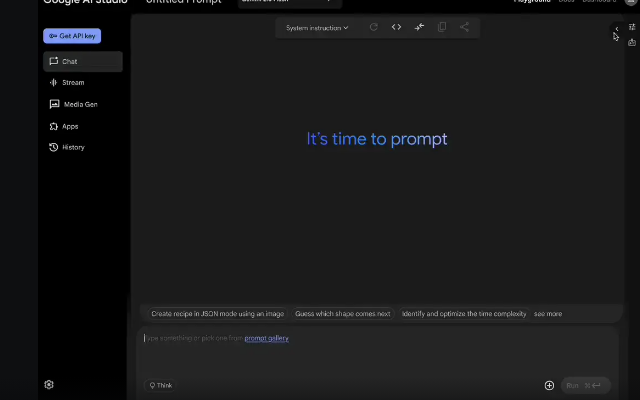
02.7 — Landing page
Drag to compare
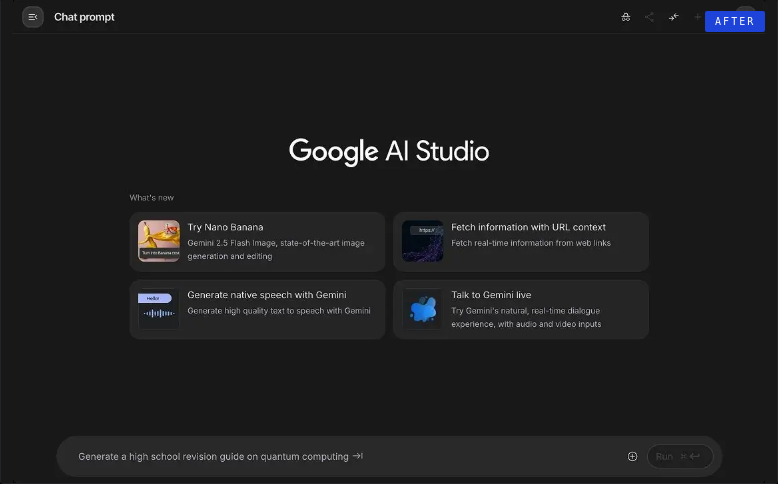
02.8 — Conversation canvas
Room to think
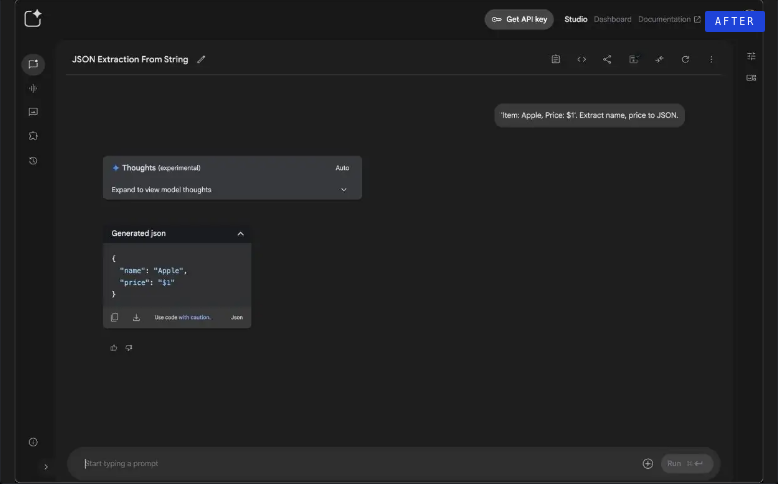
No new features. New hierarchy.
I took these panels apart region by region, pass after pass, until the hierarchy did the explaining.
02.10 — The platform
One product, several modalities
Chat → live → media. Better models bring new possibilities.

Which model should I build with?
As more model capabilities arrived, the job was to surface the options without adding complexity. Grouping by family told developers what we had; it did not tell them what to pick.
Organised by family and capability
Gemini 2.5
Gemini 2.5 ProNew
Gemini 2.0
Gemini 2.5 FlashNew
Gemma
Gemini 2.5 Flash-LiteNew
Other
Learn more about Gemini models
Gemini 2.5 Pro
gemini-2.5-pro · model card, on hover
- Input ≤200K
- $1.25 / 1M tokens
- Output ≤200K
- $10.00 / 1M tokens
- Input >200K
- $2.50 / 1M tokens
- Output >200K
- $15.00 / 1M tokens
- Best for
- Coding, reasoning, multimodal understanding
- Use case
- Reason over complex problems; difficult code, math and STEM; long context for large datasets, codebases or documents
- Knowledge cutoff
- Jan 2025
- Rate limits
- 150 RPM
- Note
- API pricing per 1M tokens. UI remains free of charge.
I set the rules, then defended them for a year
I expanded the system surface by surface — every new one tested whether the rules still held.

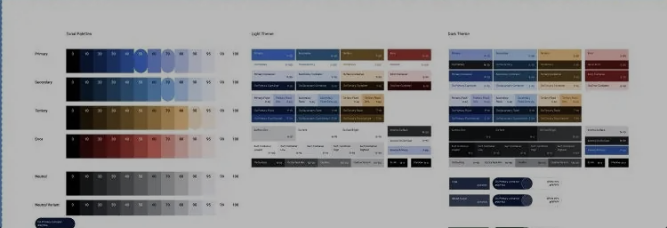
The platform expanded. The rails held.
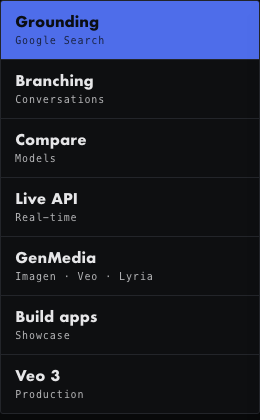
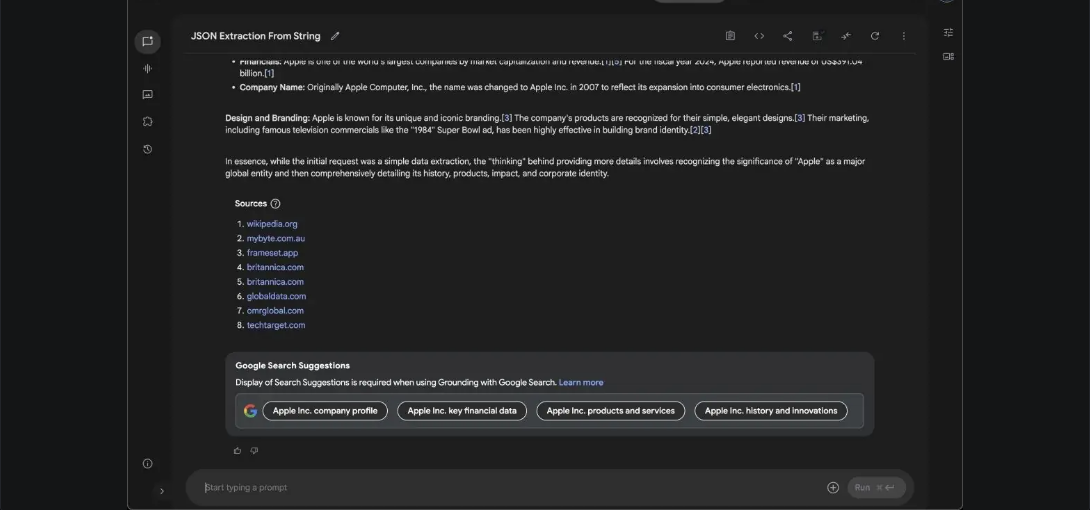
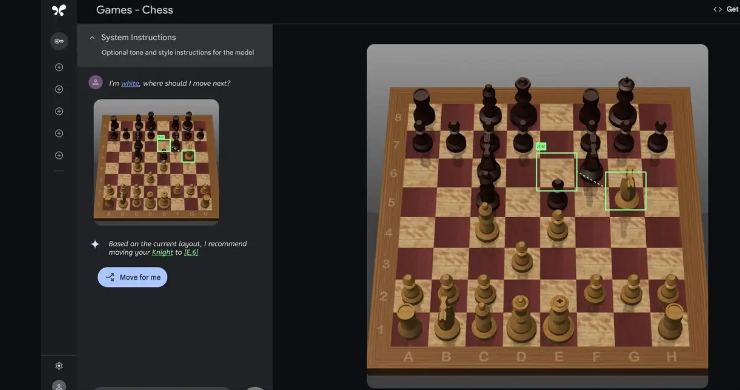
What people built with it
Early applets, each pushing a different medium — a game, a live API, audio, generated art.
03.0 — The metric that mattered
Not signups. People who made something.
+375%
more people making things, in six months.
We shipped 100+ features in twelve months — every one on rails I drew at the start.
The year’s +6M actives
UI +4M
API +2M
15.5M+ total
03.3 — In hindsight
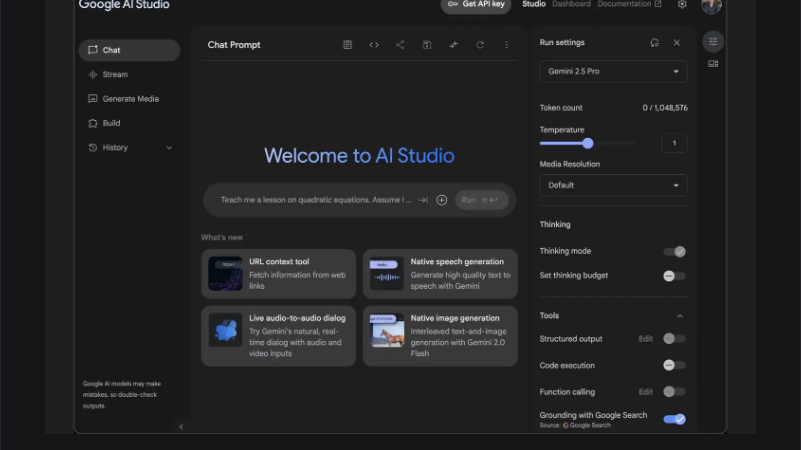
We didn’t see around that first corner.
It should have been a build tool first, not just a playground.
We wanted to give builders the chance to ship. The pipes weren’t configured for it yet.
03.4 — In hindsight
And the models beneath it.
Free experimentation is a great front door. Eventually it has to give way to a business.
We wanted adoption first, and we got it. The subscriptions came later — not just for us, for all of Google.
Available now
Gemini 2.0 Flash
Our production-ready model with higher rate limits, enhanced performance, and simplified pricing.
- Free of charge
- 15 RPM · 1 million TPM · 1.5K RPD
- Input pricing
- Free of charge
- Output pricing
- Free of charge
- Context caching
- Free of charge, up to 1 million tokens of storage per hour
- Available
- February 24, 2025
- Tuning price
- Not available
- Grounding with Google Search
- 500 QPD
- Used to improve our products
- Yes
Published model card, not a personal KPI
03.4A — On the road
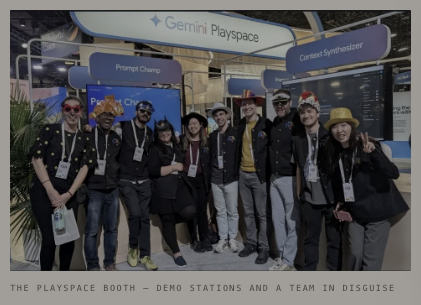
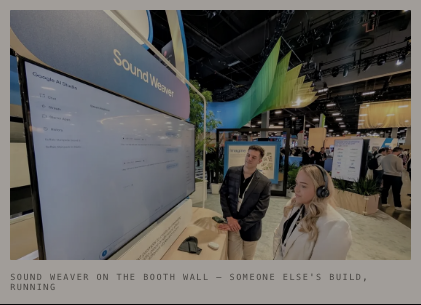
We demoed it, relentlessly
I demoed it alongside the team — Google Cloud events, startup meetups, anywhere builders gathered. Every demo came back with something to fix, which is most of how the product got better.
03.5 — Where it landed
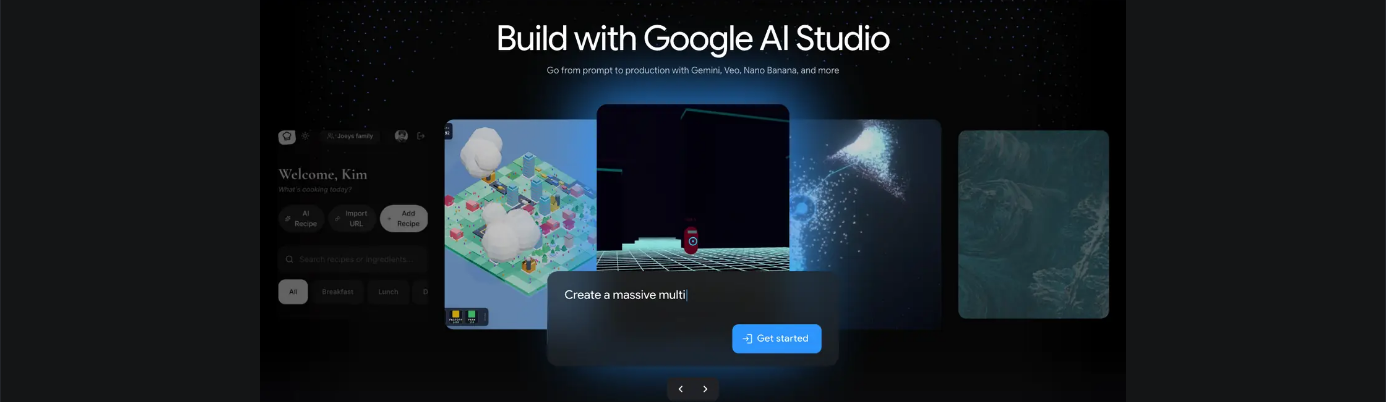
Prompt to production.
It took the backend catching up, and full-stack apps making real development possible. That is the headline on the page today.
04.0 — Other work
Other work
-
01
Amazon
Consumers — making a shared household make sense.
-
02
Splunk
Operators — holding data in motion still long enough to read.
Sharing unlocked the household.
- Parents Control over what gets shared.
- Teens Access they did not have before.
- Amazon More trust, engagement and spend.

04.2 — Splunk
Splunk — Data Stream Processor
Operators → their data.
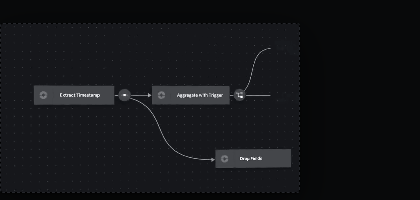
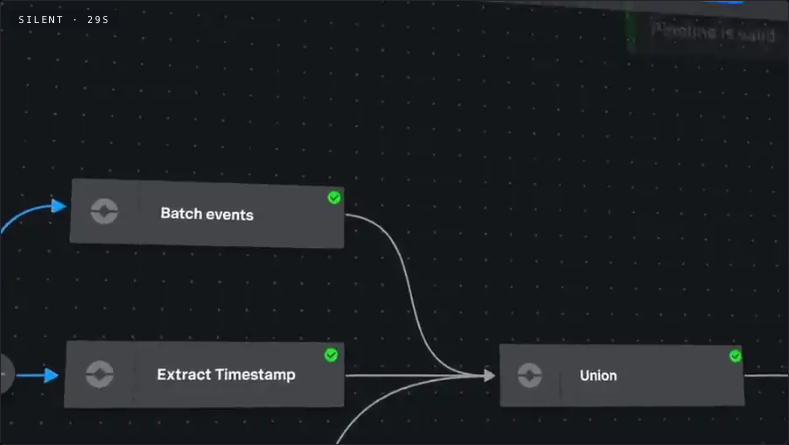
Make data in motion something an operator can see: build the pipeline, validate it, watch the events come out the other end.
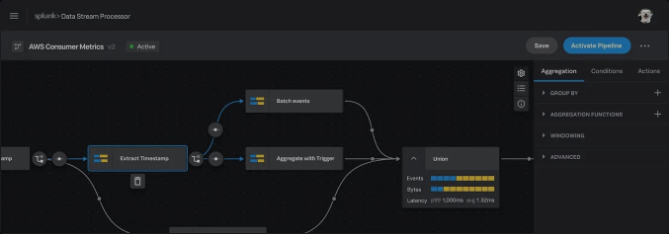
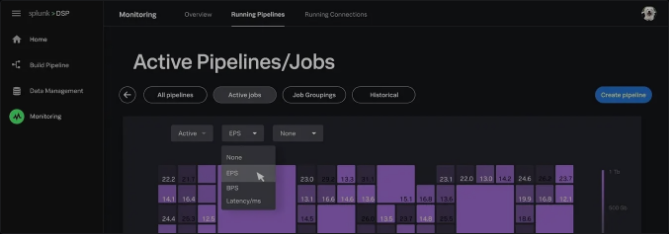
Watch one get built
Assembled, validated and inspected, end to end.
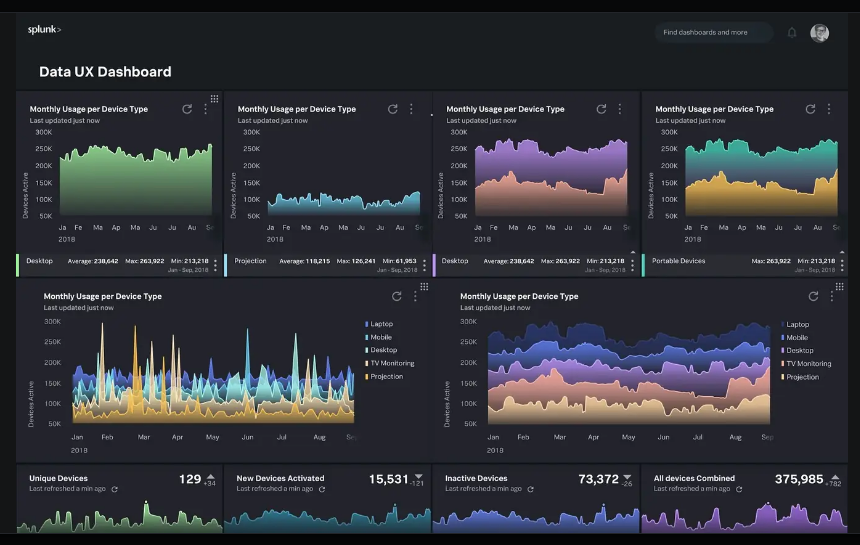
The shape of normal
Dashboards an operator reads at a glance, several times a day, to know what ordinary looks like.
And the moment it isn’t
Rates, gauges, heat maps and single values — every readout earning its place by answering one question fast.
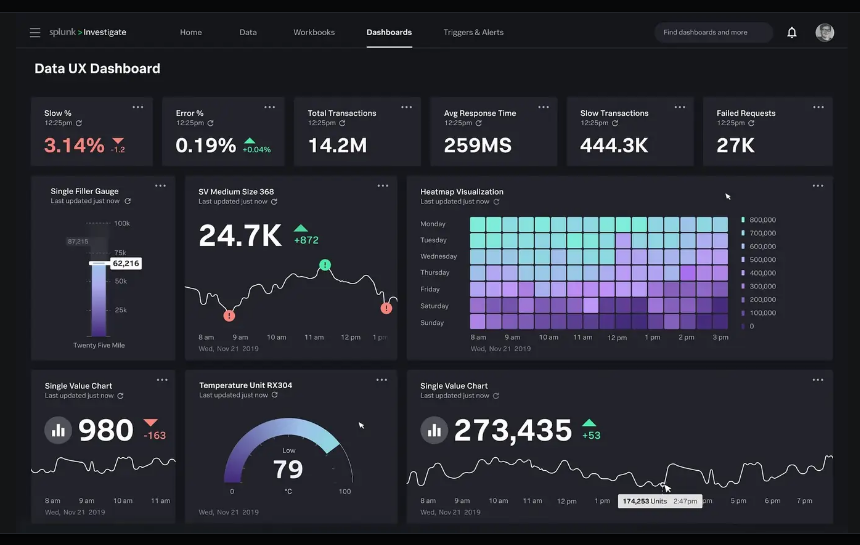
Figures on these boards are the product’s own readouts, not a stated personal result.
05.0 — Outside of work
Outside of work
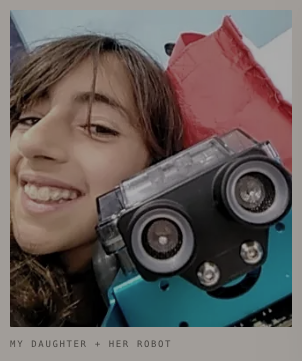
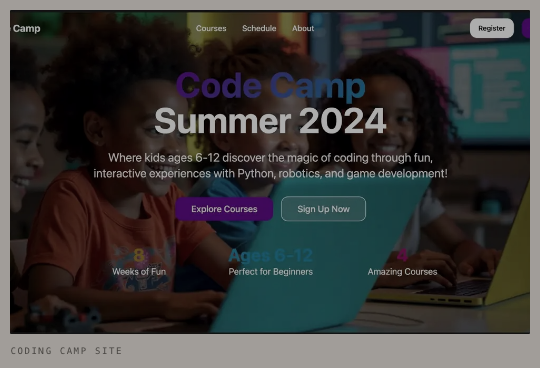
Still design work — nobody’s roadmap but mine. It starts with helping kids build, and runs through agents, telemetry and the problems I want to solve next.
Work is easier to trust when you can trace it
Agents with a track record. Julius was promoted because the repo says he earned it.
A team, not a tool — execution kept separate from judgment.
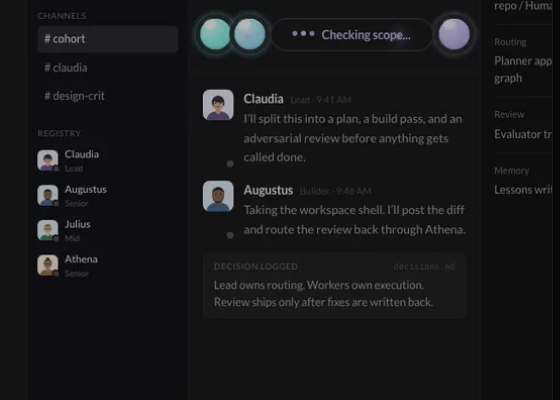
First we built the harness
Before either app, Claudius Ma and I built HAI-Harness — a repo-as-truth architecture where people and agents are peers and the repository is the durable record.
Not more context. Accurate context — the latest human decision wins, and anything not written back does not survive the session.
The philosophy, in the repo itself
HAI-Harness
HAI-Harness is a repo-as-truth collaboration architecture for humans and AI agents.
In this system, humans and AI are peers. Both are the high-octane fuel driving the project. They provide the raw cognitive horsepower. Raw intelligence isn’t enough without a system to direct it. Left alone, AIs act like amnesiac interns — they forget instructions from 100 turns ago and hallucinate progress. Humans aren’t much better — we forget why we made a product decision three months ago, or we step on each other’s toes when collaborating.
The collaboration harness is built on one simple idea: humans and AI don’t need more context — they need accurate context. It treats people and agents as peers in a shared operating system, using the repository as the durable source of truth.
- 01A user’s live direction governs the current session; the repository preserves what future sessions can rely on.
- 02The latest confirmed human decision wins, and conflicts with stale documents must be surfaced rather than silently resolved.
- 03If a durable decision is not written back to the repo, it will not reliably survive the session.
- 04We don’t rely on model memory, and we don’t rely on human memory.
- 05Every participant must read the current state and explicit handoff files before taking action.
05.3 — Spin-offs
The same team, two ways in
Cohort · the platform
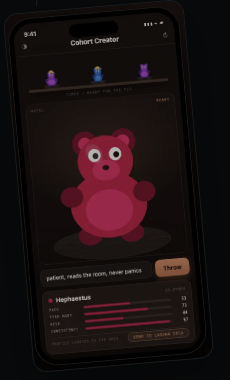
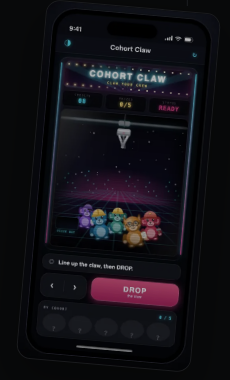
05.4 — On my own time
Still building
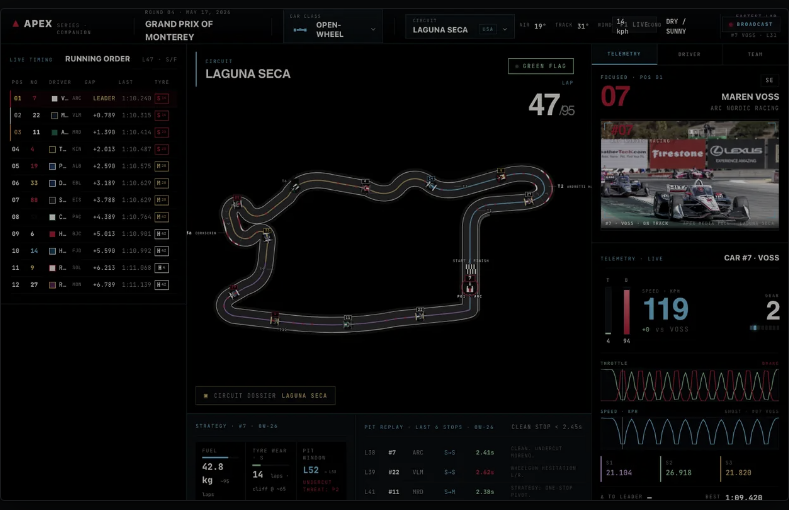
I build the tools I want to use, and let data and design argue it out.
I built the F1 companion I wanted — telemetry for 20 cars, read at a glance.
Splunk’s problem in a louder room.
06.0 — Apple
I took those model layers into the wild
The layers I shaped at Google, now proving themselves on surfaces and devices I did not design.
Consumer and developer at once — which is the thread running back through all of it.
07.0 — The bet
The barrier to entry is lowering. The responsibility to enable it is only going up.
Trust and safety are first principles now — right next to craft and judgment.
Thank you
The next surface is the next frontier.
Every surface was new once.